
How much does a German kitchen cost?
It is the first question most people ask. The total depends on your room and your choices, so this guide explains what a quote is made up of, where the money goes and how to get an accurate figure.
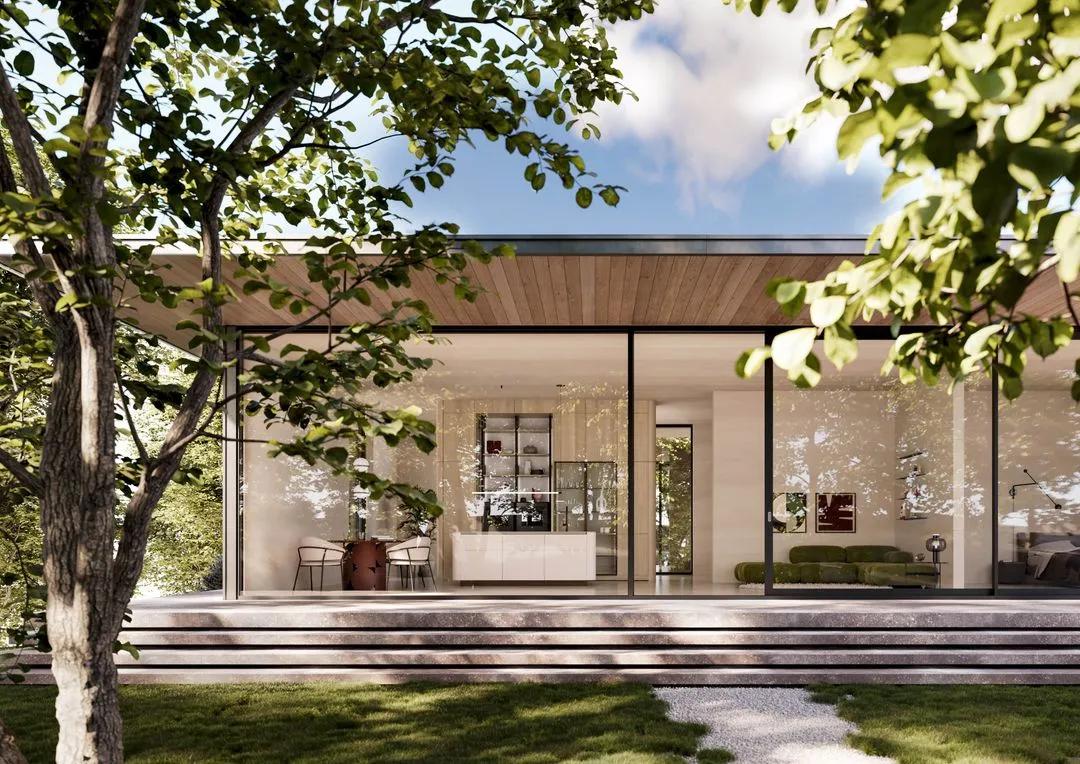
A German kitchen is a made-to-order piece of furniture rather than something picked off a shelf, so no two quotes are the same. Two kitchens from the same range can differ a great deal in price depending on the size of the room, the door finish, what sits inside the cabinets and which appliances you choose. Anyone who quotes you a fixed figure before seeing the room is guessing.
What we can do is explain what the total is made up of, so that when you do get a quote you understand it, and so you can decide where you want to spend and where you would rather save.
What a German kitchen quote is made of
A complete project usually breaks down into five parts. The proportions vary from home to home, but in most projects the furniture and the appliances are the two largest.
- The furniture. Cabinets, doors, drawers, internal fittings, handles or handleless profiles, plinths and end panels. This is where the range you choose matters most.
- Appliances. Ovens, hob and extraction, refrigeration, dishwasher and any extras such as a wine cooler or warming drawer. Brands such as Miele, Siemens and Bora span a wide price band, and it is easy to spend as much on appliances as on the cabinetry if you go to the top of every category.
- Worktops and splashbacks. Laminate, solid timber, quartz, sintered stone and natural stone each sit at a different level, and the thickness, edge profile and the number of joins all move the figure.
- Installation. Removing the old kitchen, any building work, electrics, plumbing, plastering, flooring and the fitting itself. We manage all of this in-house, which keeps the cost predictable and gives you one point of contact.
- Design and project management. Survey, drawings, renders, ordering, delivery and coordination. At Anthony Lawrence Interiors the design consultation is free, and project management is part of the service rather than an extra line.
Where the ranges sit
We stock three German manufacturers, and each sits at a slightly different point.
Schüller is the dependable core: consistent build quality, a broad programme of door styles and colours, and modular planning that keeps the price disciplined. It is where many first German kitchens start.
Leicht takes a more architectural approach, with a materials palette built for longevity and a wider choice of natural timbers, lacquers and textured surfaces. That extra depth of material and detailing generally places it above Schüller's core ranges.
Next125 is the precision line: ceramic, glass, lacquer and fine timber fronts in broad uninterrupted planes, handleless operation and integrated lighting. It reads closer to modern furniture than to fitted cabinetry, and it is priced accordingly.
Alongside the German ranges we also offer the craft-led 1909 and Novelle collections, which suit homes that want framed doors and a more traditional feel.
Five things that move the price most
- Room size and layout. More linear metres of cabinetry means more furniture. An island adds worktop, cabinets and often services under the floor.
- Door finish. Within a single range, a matt lacquer, a real wood veneer, a glass front and a ceramic front are four different price points.
- Tall units and internal storage. Full-height larders, pocket-door systems and engineered internal accessories cost more than base and wall cabinets, but they are also where a German kitchen earns its keep day to day.
- Appliance choices. A downdraft hob, a built-in coffee machine or a full-height integrated fridge-freezer will each move the total noticeably.
- Building work. Knocking through, moving services, new flooring and lighting all sit outside the furniture but inside the project.
A German kitchen is a long-term investment. The manufacturers we work with build furniture that is expected to be used every day for decades, which is worth keeping in mind when you compare quotes.
Where to spend and where to save
If the budget needs trimming, we usually suggest protecting the things you touch every day: drawer systems, hinges, the hob and the oven. Door finish and worktop material are where the same kitchen can be specified up or down without changing how it works. Cabinet layout and storage planning cost nothing extra to get right, and they make the biggest difference to how the room feels to live in.
How to get a real figure
The only reliable way to price a German kitchen is to plan it. A free design consultation with us starts with your room, how you cook and what you want from the space. We then design the layout, specify the range and appliances and give you an honest, itemised figure for the whole project, including installation. You can see the ranges, materials and working appliances in person at our Uppermill showroom, which is the best way to understand what each level of specification actually looks and feels like.