
How long does a bespoke kitchen take?
A made-to-order kitchen takes longer than one bought from stock. This guide goes through each stage, where the time goes and what you can do to keep your project on track.
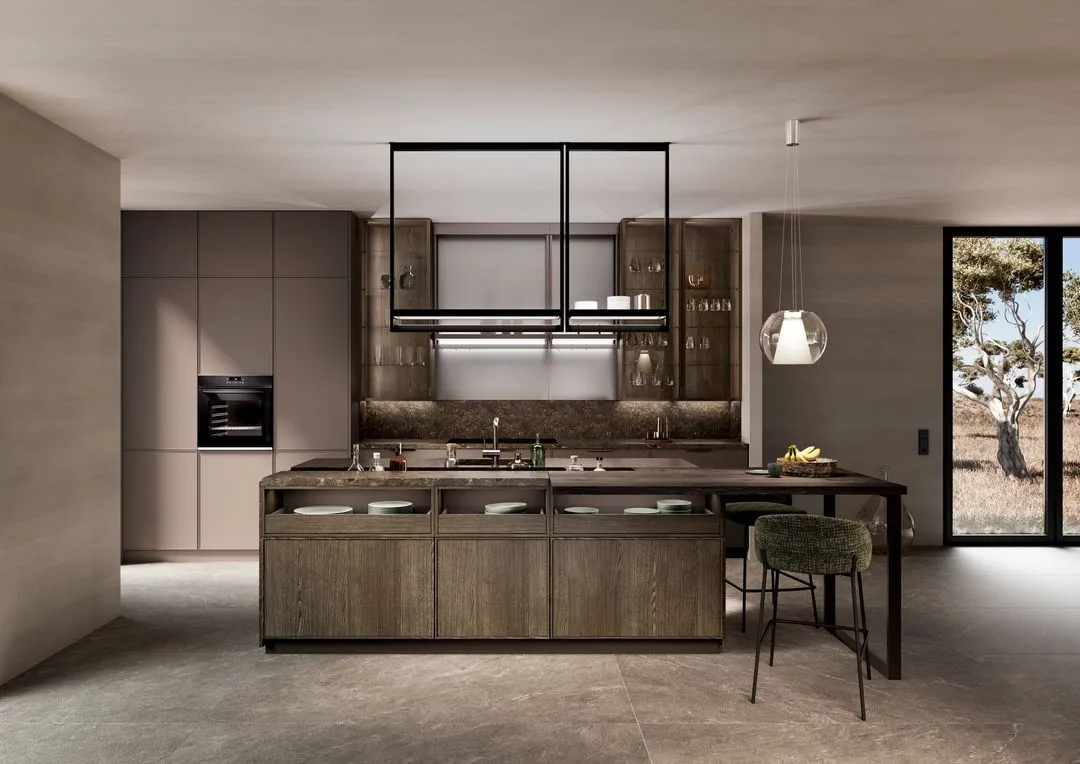
Every bespoke kitchen is planned, manufactured and fitted specifically for one room, so the overall timeline is longer than buying something in stock. Most of that time is not disruption in your home; it is design and manufacturing happening elsewhere. Understanding the stages makes it much easier to plan around.
Stage one: design
From the first consultation to a signed-off design typically takes a few weeks, and it is driven mostly by you. Some clients arrive with a clear brief and settle the design in two meetings; others want to explore several layouts and ranges, and that is time well spent. Decisions on appliances, worktops and building work all need to be made before anything is ordered, so this stage is also when the project is fully specified and priced.
Stage two: manufacture
Once the order is placed, the furniture is made. German manufacturers such as Leicht, Next125 and Schüller build each kitchen to order in their own factories, and lead times vary by manufacturer, range and time of year. Our craft-led 1909 and Novelle ranges are also made to order. We confirm the expected delivery date when the order is placed and keep you updated if anything changes. This is the longest single stage, but nothing is happening in your home yet.
Stage three: preparation
If there is building work, it happens while the kitchen is being made. Knocking through, moving services, first-fix electrics and plumbing, plastering and flooring are all scheduled so the room is ready when the furniture arrives. Because we manage this in-house, the trades are coordinated around a single programme rather than booked separately.
Stage four: installation
Fitting a bespoke kitchen is usually measured in days rather than weeks: removing the old kitchen, fitting the cabinetry, templating and fitting worktops, connecting appliances and finishing. Stone and sintered worktops are templated once the base units are in and then cut off-site, which adds a short gap in the middle of the installation. We will tell you in advance how long you will be without a working kitchen and help you plan around it.
What can extend the timeline
- Late changes. Altering the layout or specification after the order is placed can mean re-ordering furniture and waiting again.
- Structural work. Removing walls or moving drainage can add survey and approval time before work starts.
- Appliance availability. Some specialist appliances have their own lead times, which we check before finalising the specification.
- Seasonal demand. Manufacturers and installers are busiest in the run-up to Christmas and summer, so booking early helps.
The single most useful thing you can do is make decisions early and firmly. Almost every delay we see comes from a specification changing after the order has gone in.
Planning your project
If you have a date in mind, whether a family occasion or a move, tell us at the first consultation and we will plan backwards from it. You can read about how that first meeting works in our guide to what to expect from a kitchen design consultation.