Start with the buyer, not the brochure
The most effective show-home kitchens are designed for a specific purchaser. A first-time buyer wants to see that a compact kitchen is practical and stylish; a family buyer is looking for an island, a larder and space for homework; a downsizer is often trading away a large, established kitchen and needs to see quality they recognise.
Before choosing a door colour, pin down who the house type is aimed at, what they own now, and what competing schemes nearby are showing. The kitchen should answer the question that buyer is quietly asking.
Design for the first ten seconds
Most buyers form their view of the kitchen from the doorway. Plan the room so the first sightline lands on something worth seeing:
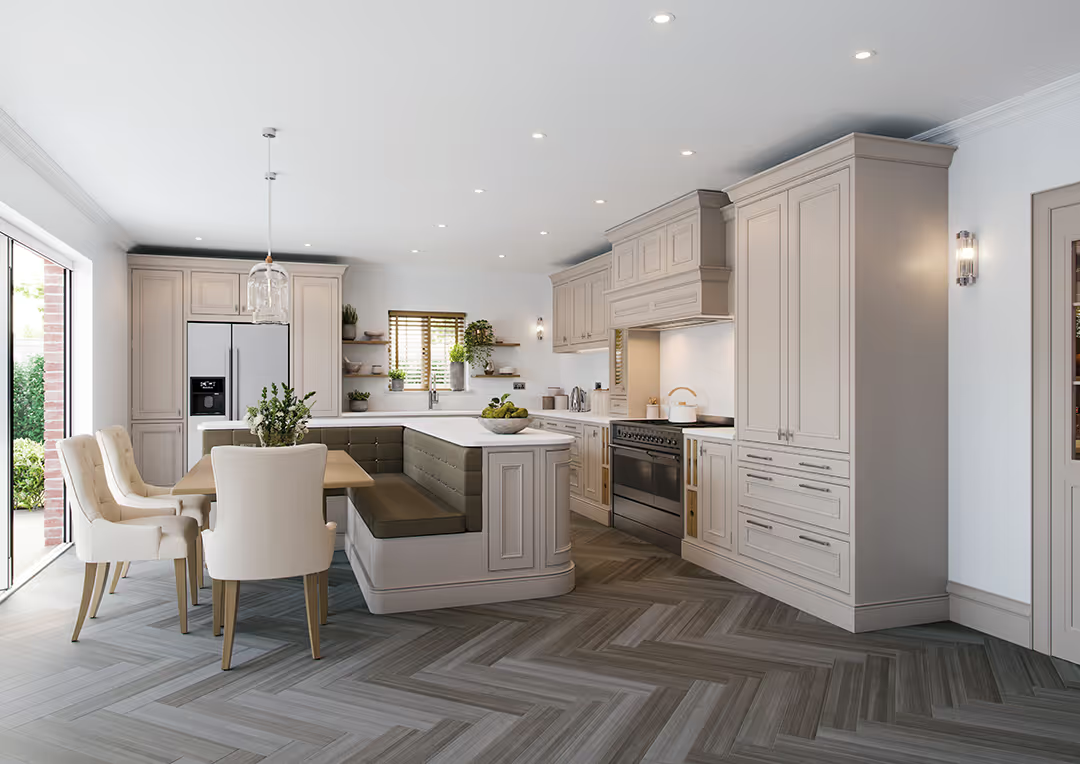
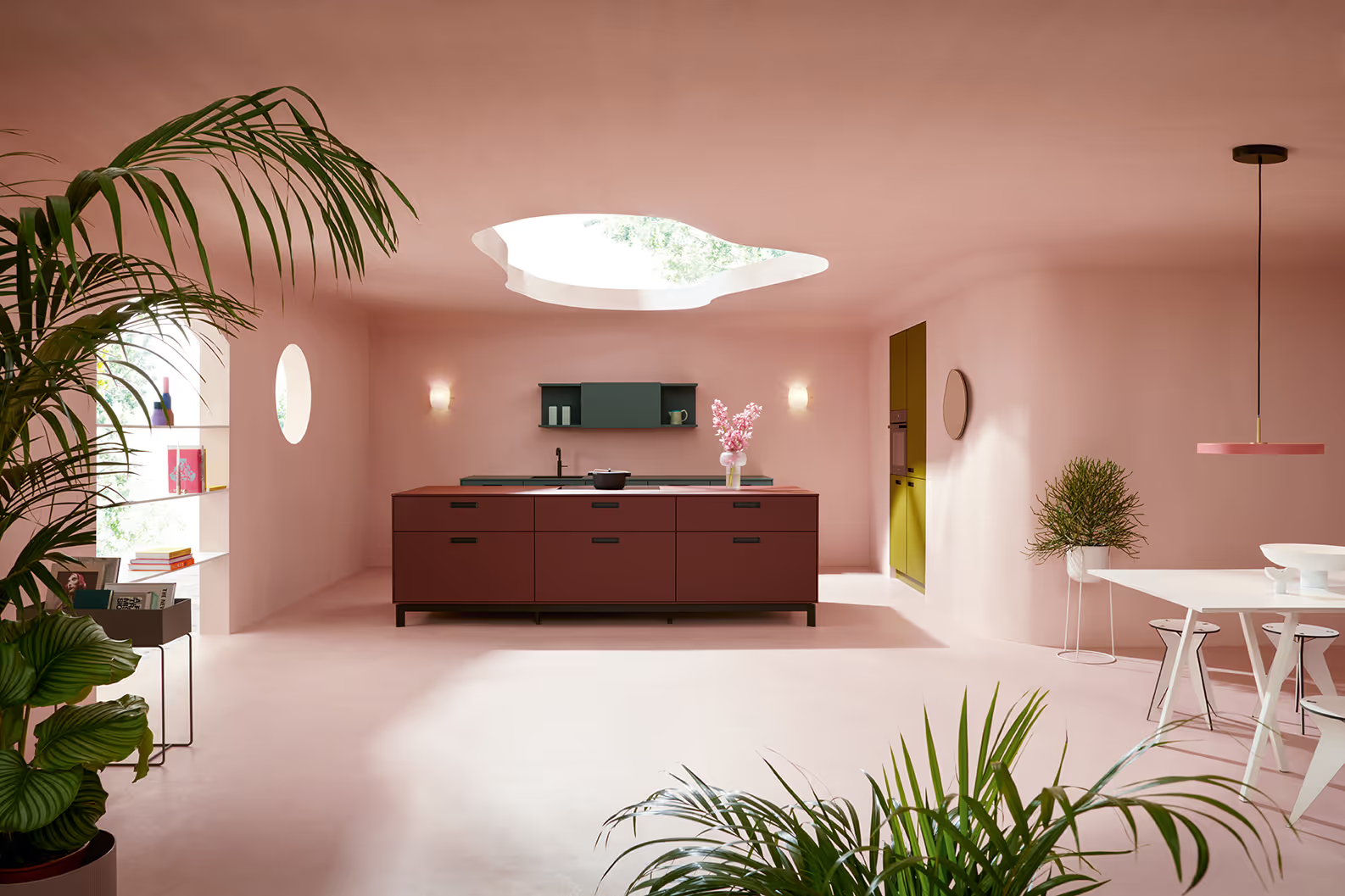
- A focal point — an island, a feature tall run or a striking extractor, visible and lit from the entrance.
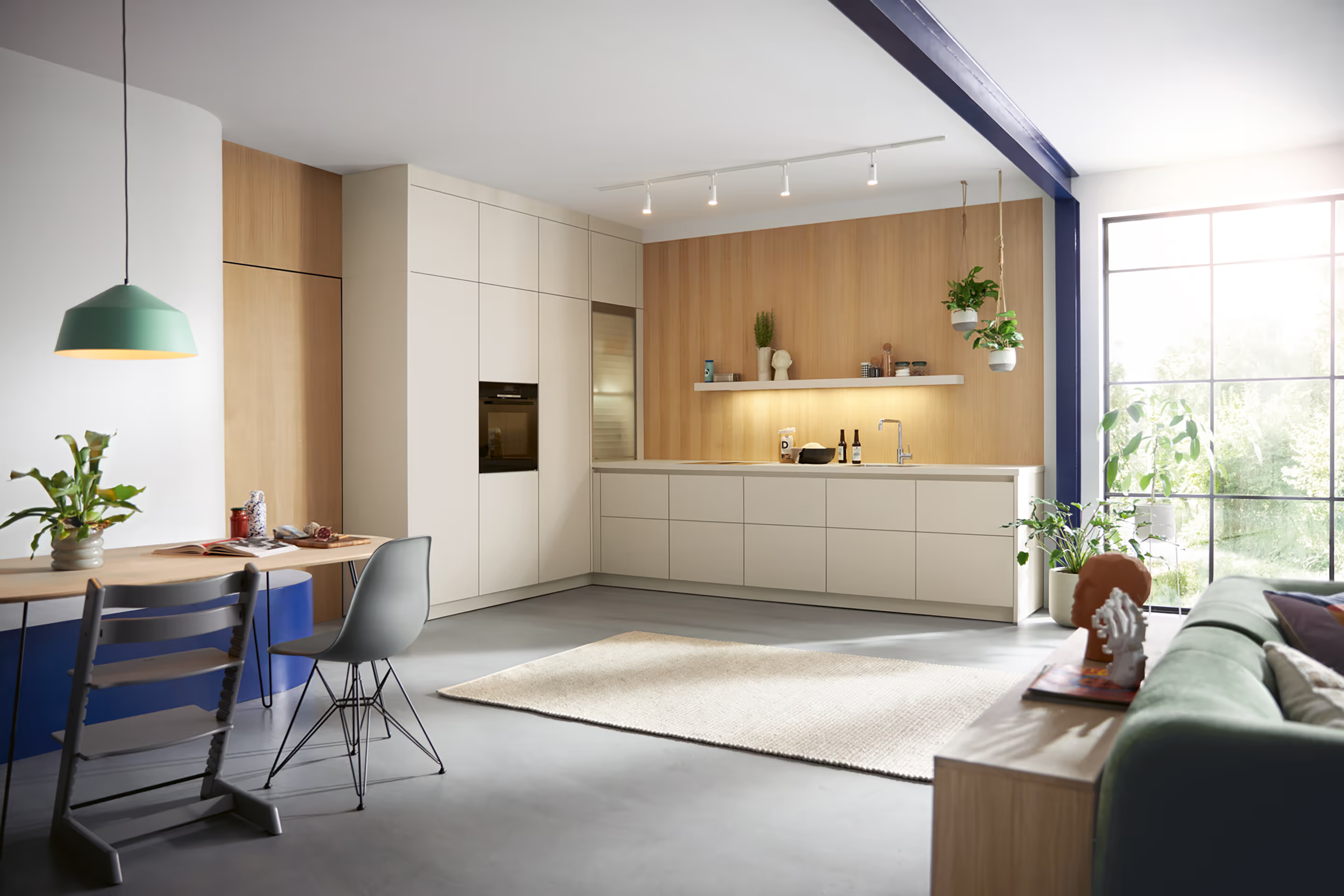
- Uninterrupted worktop — clear runs read as space; clutter reads as small.
- Handles or handleless, consistently — mixed details make a kitchen look assembled rather than designed.
- A clean ceiling line — wall units that finish neatly to a bulkhead or ceiling make the room look finished.
Lighting makes the room
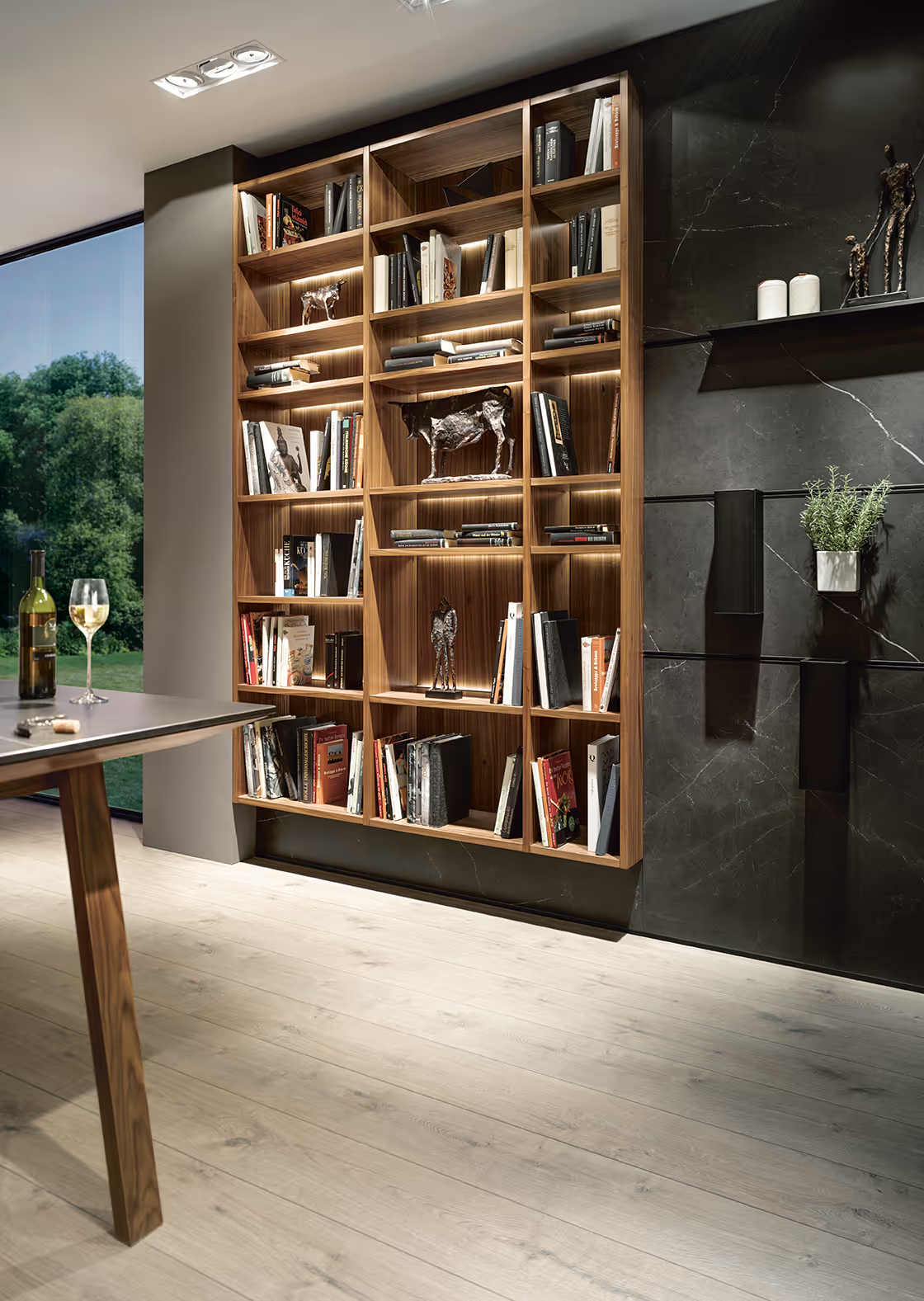
Show homes are often viewed on grey afternoons and photographed for portals months in advance. Layered lighting — task lighting under wall units, ambient ceiling light and a touch of accent lighting in shelves, plinths or glass cabinets — makes the kitchen feel premium in person and on camera.
Choose a consistent, warm colour temperature across the room. Mixed colour temperatures are one of the most common reasons a well-built kitchen looks cheap in photographs.
Show the storage
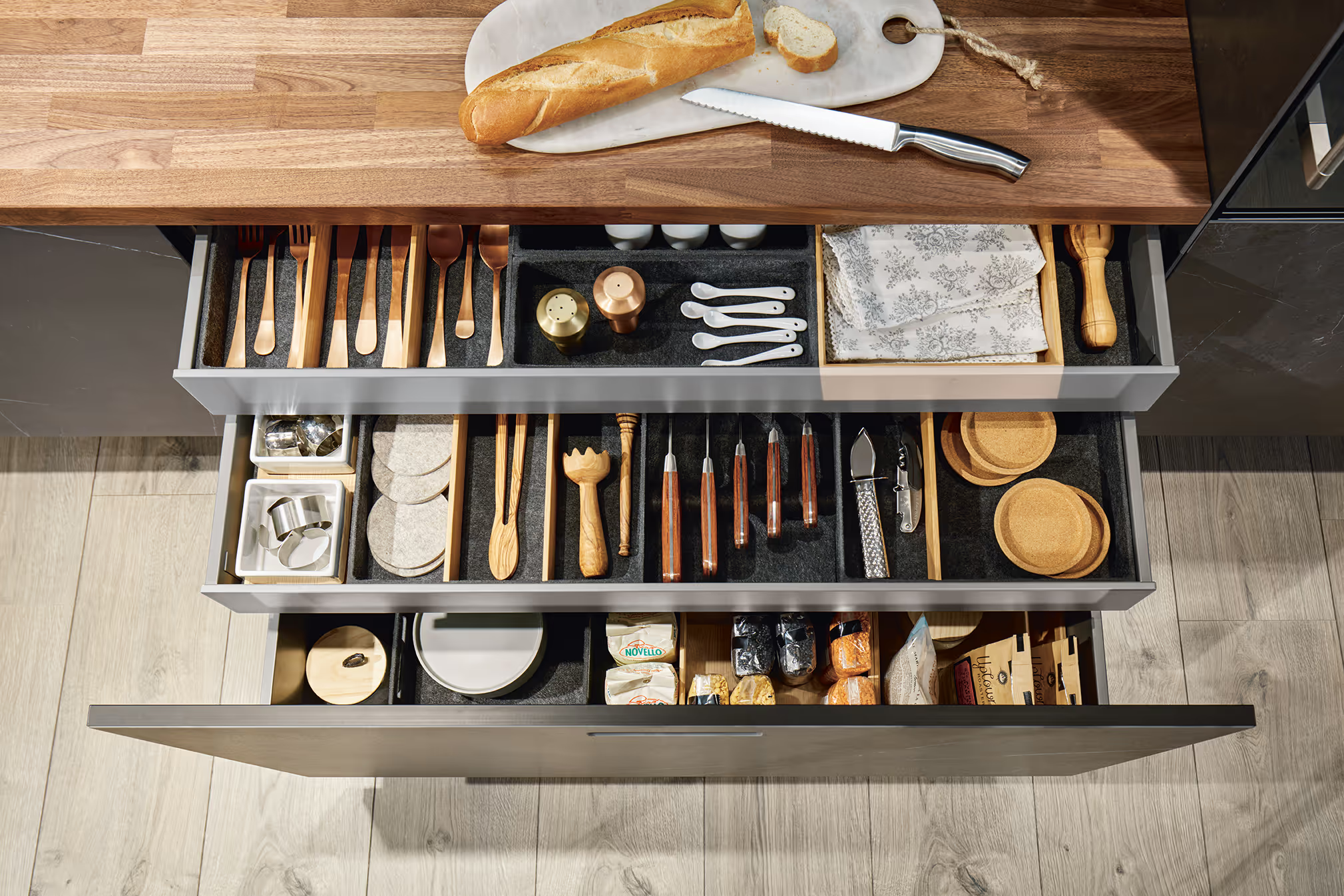
Buyers open doors. Sales staff demonstrate what's behind them. Deep pan drawers with inserts, a larder with internal drawers, a corner solution that actually works and a well-planned waste system all give the sales team something to show — and give buyers a reason to believe the kitchen will work day to day.
Standard spec or upgrade spec?
There's no universal answer, but there is a wrong one: showing upgrades without making it clear. Options that work:
- Show the standard spec — honest, avoids disappointment at handover, but can undersell the scheme.
- Show the upgrade spec, labelled — lifts perceived value and sells upgrades, provided the sales team is clear about what's extra.
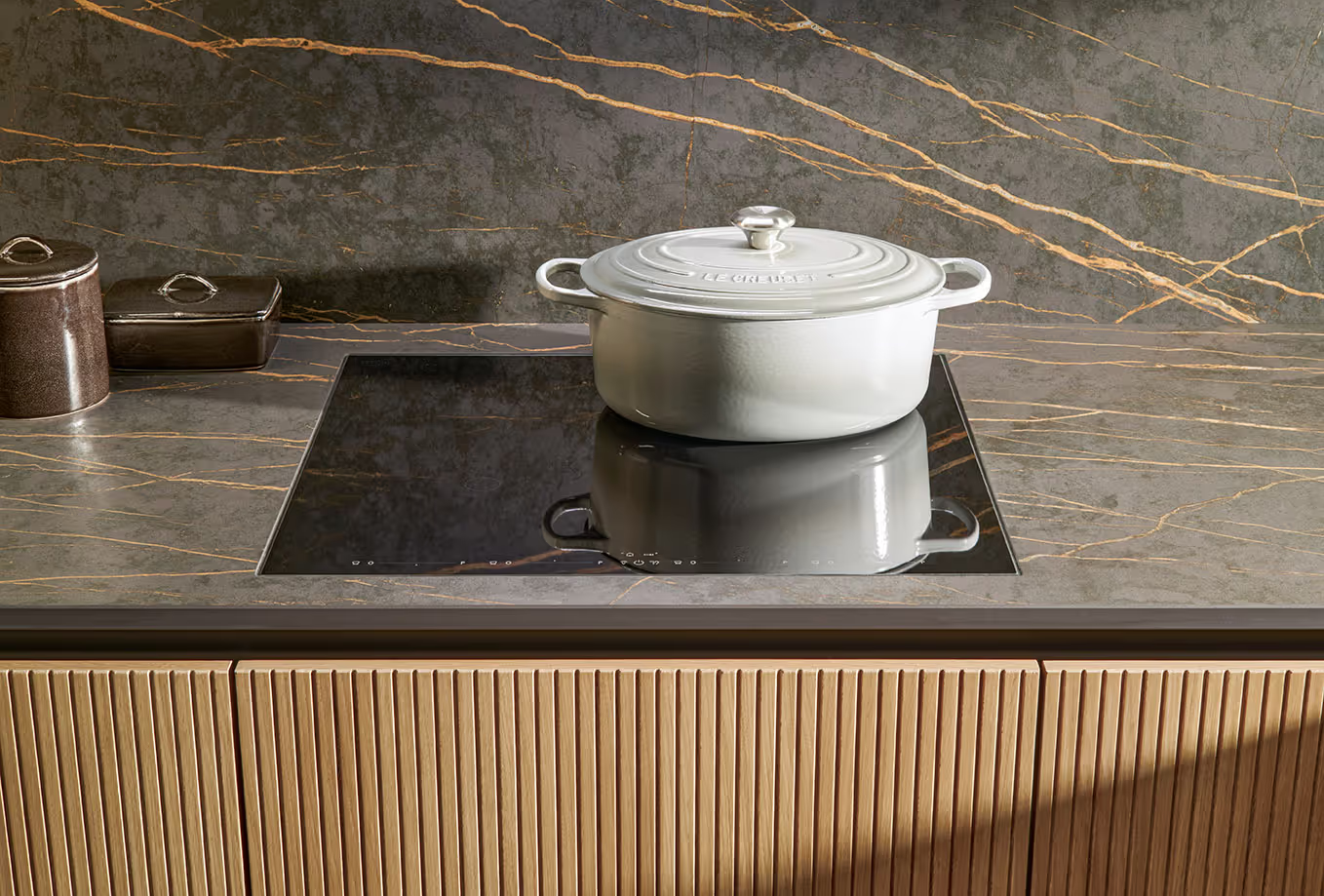
- Show a mix — standard furniture with one or two visible upgrade moments (a boiling-water tap, a venting hob, a quartz worktop) that buyers can add at reservation.
Whichever route you take, pair it with a clear choices and upgrades programme so interest converts into reservations and margin.
Build it to survive the campaign
A show home might see hundreds of viewings. Specify with that in mind:
- Robust hinges and runners that stay aligned after thousands of openings.
- Worktops and edges that resist knocks and daily cleaning.
- Door finishes that don't show fingerprints — or a cleaning routine that deals with them.
- Working appliances, so demonstrations are real, with instructions kept on site for staff.
- A named contact for adjustments while the show home is open.
Dress it, don't clutter it
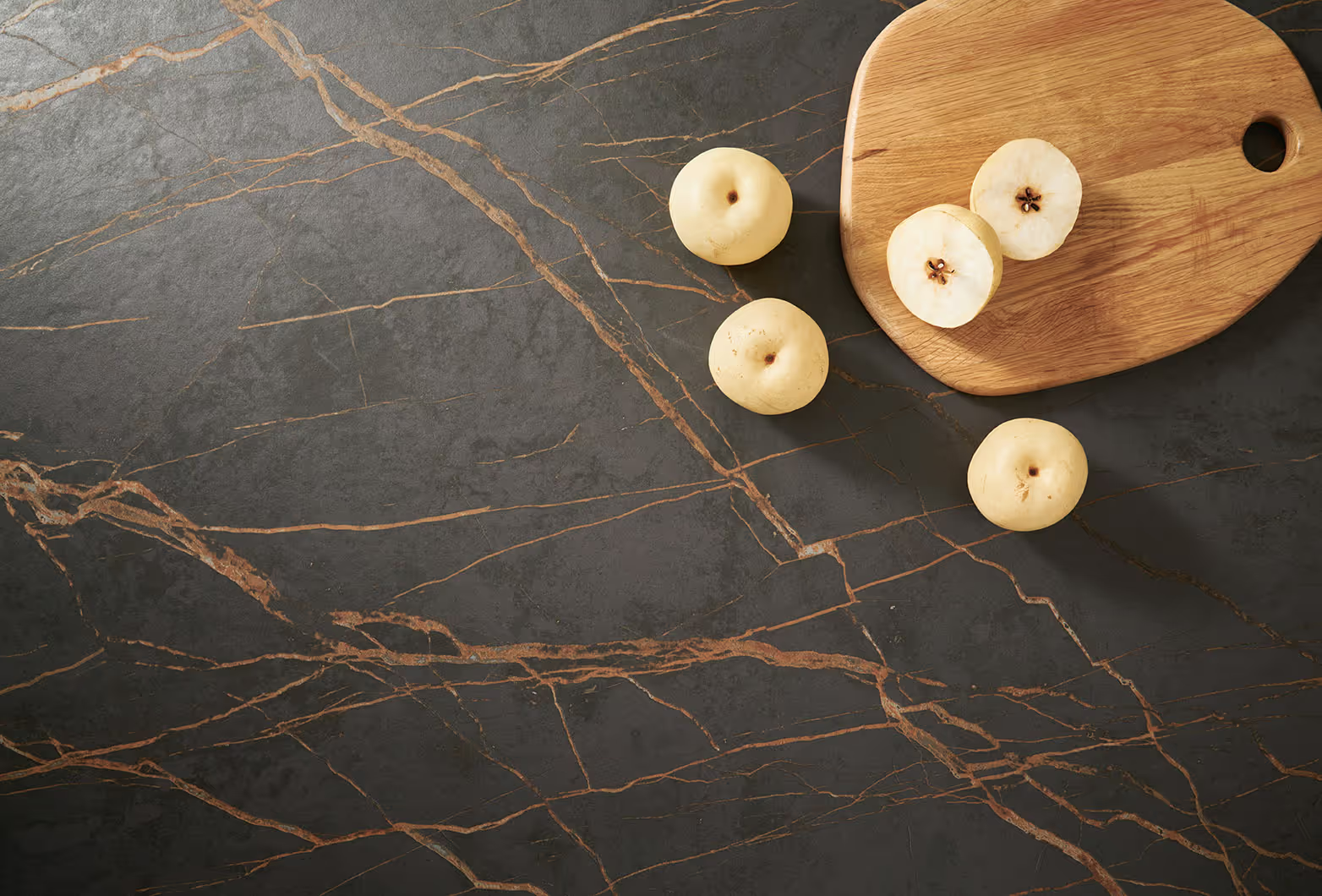
Dressing should suggest a life, not fill every surface. A bowl of fruit, a couple of cookbooks, one plant and a coffee machine say more than a worktop full of props. Leave space for buyers to picture their own things — and keep items that hide the worktop to a minimum.