Why German kitchens appear on developer specs
German kitchen manufacturers are known for engineered consistency: precise carcass construction, well-developed modular systems and hardware designed for long service life. For a developer, that consistency is the point — the fortieth plot is built to the same tolerances as the first.
They also carry recognisable quality signals for buyers. On premium schemes a named German kitchen is a selling point in its own right.
Leicht, Next125 and Schüller compared
| Range | Character | Where it fits on a scheme |
|---|---|---|
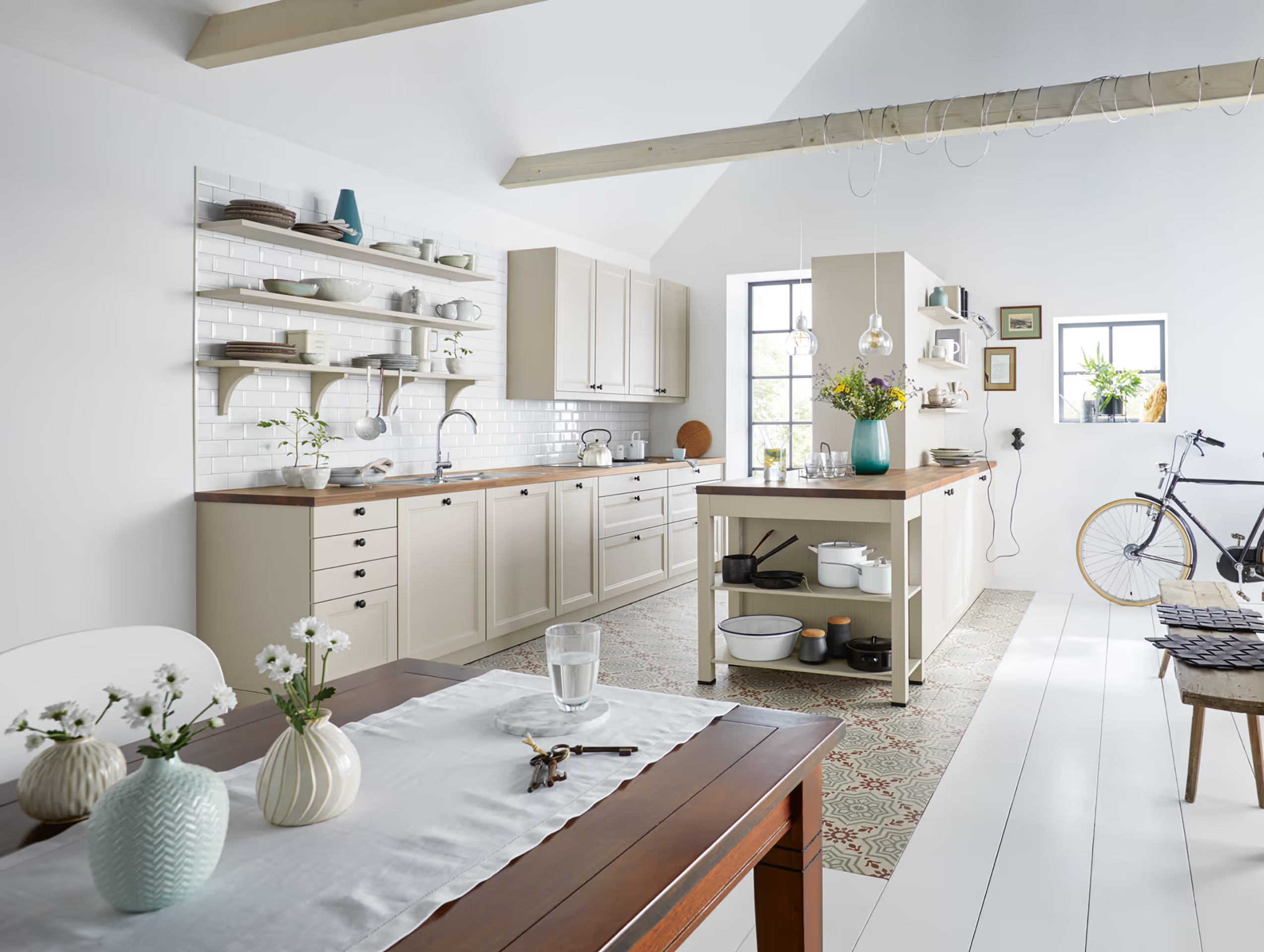
| Schüller | The dependable core of German engineering — consistent build, clean modular planning, broad palette. | Family homes, premium apartments, build-to-rent where durability matters. |
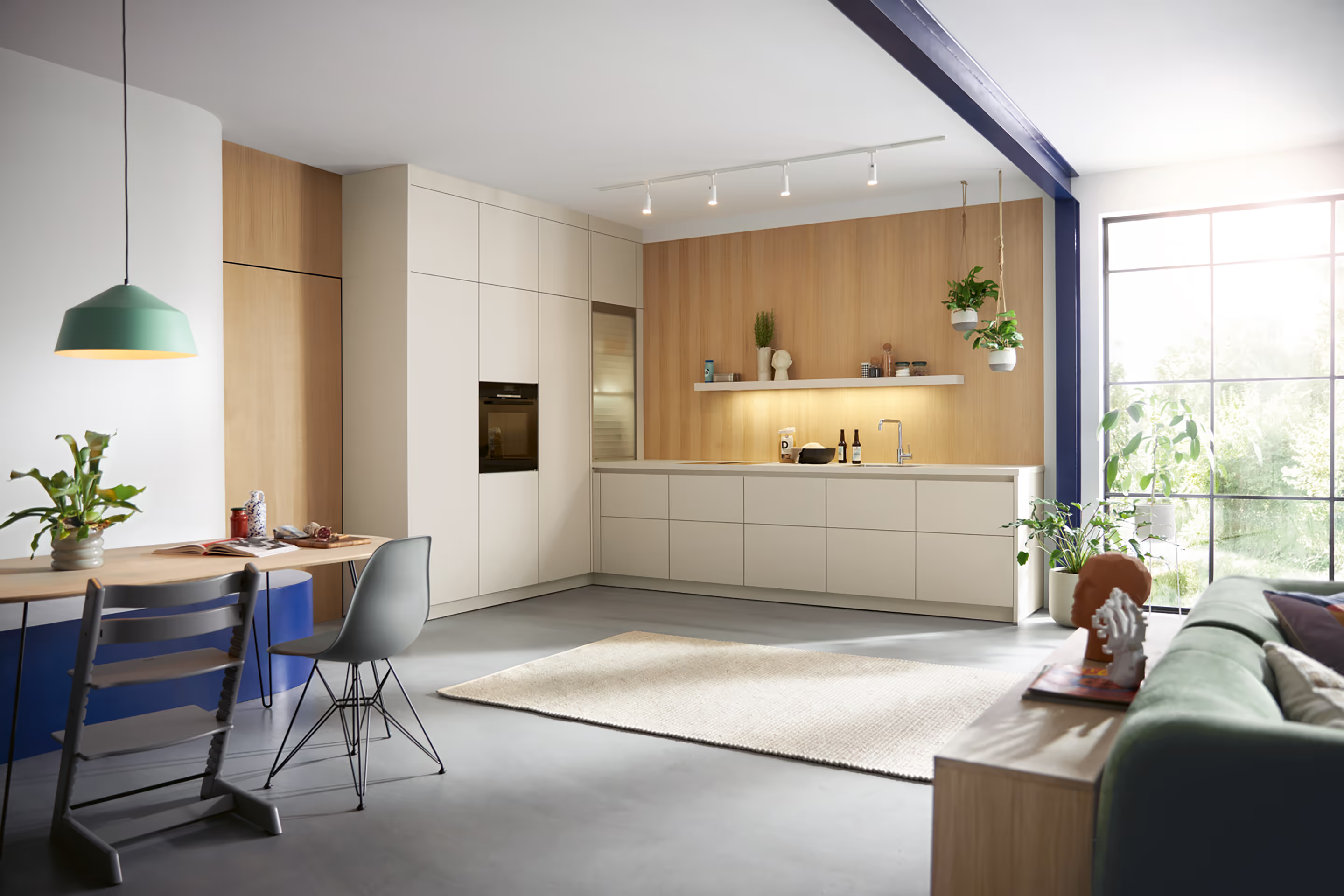
| Next125 | The precision line — handleless options, sharp geometry, broad material programme including ceramic and glass. | Contemporary show homes, premium apartments, design-led schemes. |
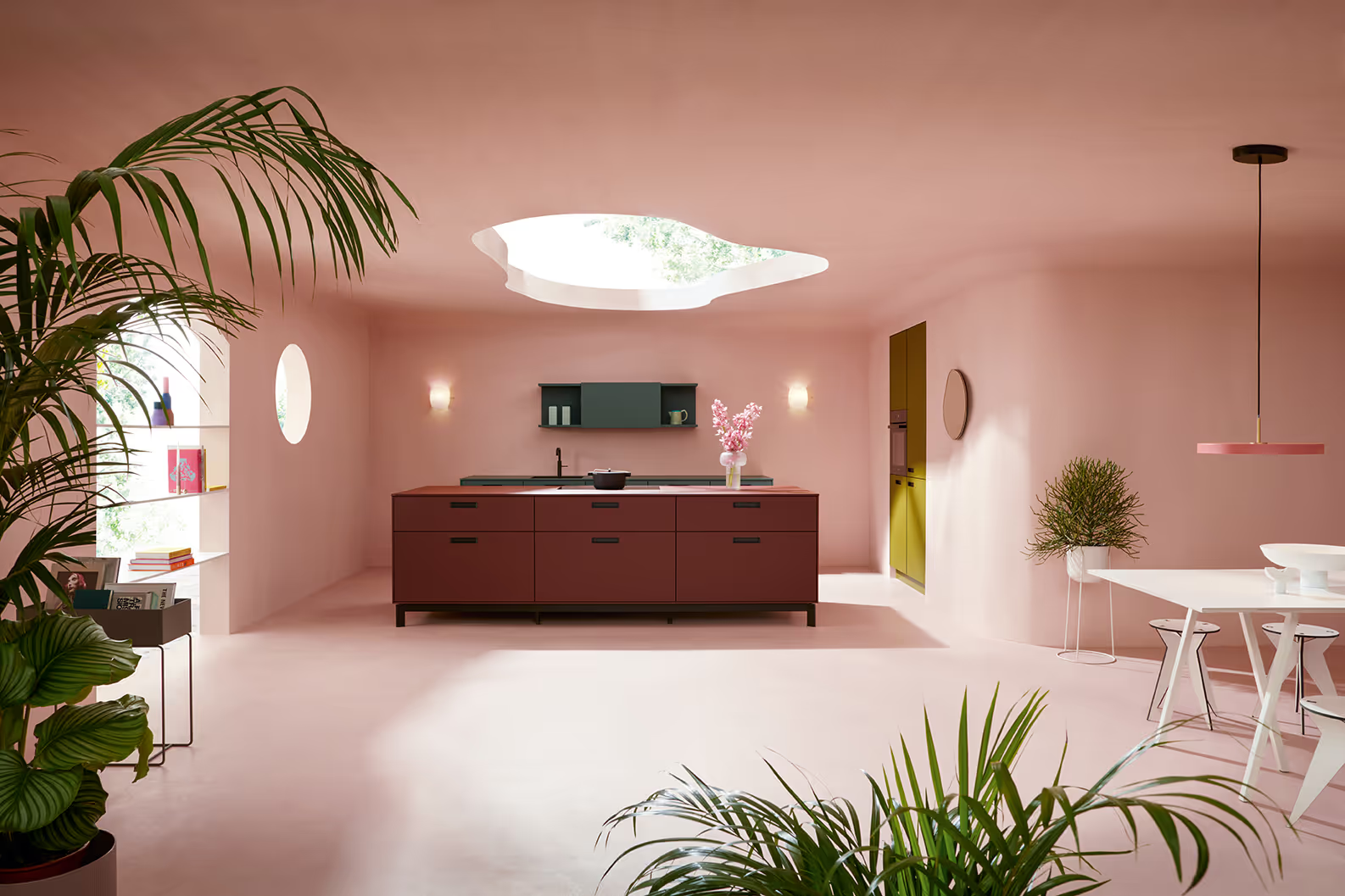
| Leicht | Architectural approach — disciplined lines, seamless storage, materials built for longevity. | Executive homes, penthouses, one-off plots, flagship show homes. |
You can see all three in our collections — Leicht, Next125 and Schüller — and in our Uppermill showroom.
What 'made to order' means for your programme
German kitchens are manufactured to order rather than taken from stock. That's what allows the precision and choice — but it means orders need to be placed ahead of the fitting window. Build lead times into the programme from the start and lock house-type layouts early.
For a homeowner-focused view of the same question, see our journal pieces on Leicht vs Next125 and what shapes the cost of a German kitchen.
The upside is predictability: once an order is confirmed, what arrives on site matches the specification exactly, plot by plot.
Where they earn their place — and where they don't
- Show homes and marketing suites — high visual impact, recognisable brand, working storage to demonstrate.
- Upper house types — where buyers compare against high-end independent kitchens.
- Build-to-rent — where durability and consistency reduce lifecycle cost.
- Tight-margin starter homes — often better served by a durable Essential-tier kitchen, with a German upgrade offered as an option.
Pairing with appliances
A German kitchen pairs naturally with appliances from Miele, Siemens and Bora, and sinks and taps from Blanco. Integrated appliances with matching housing units give the cleanest look, and venting hobs from Bora free up the space above the hob for a more open, architectural layout. See how these combine in our specification tiers.